
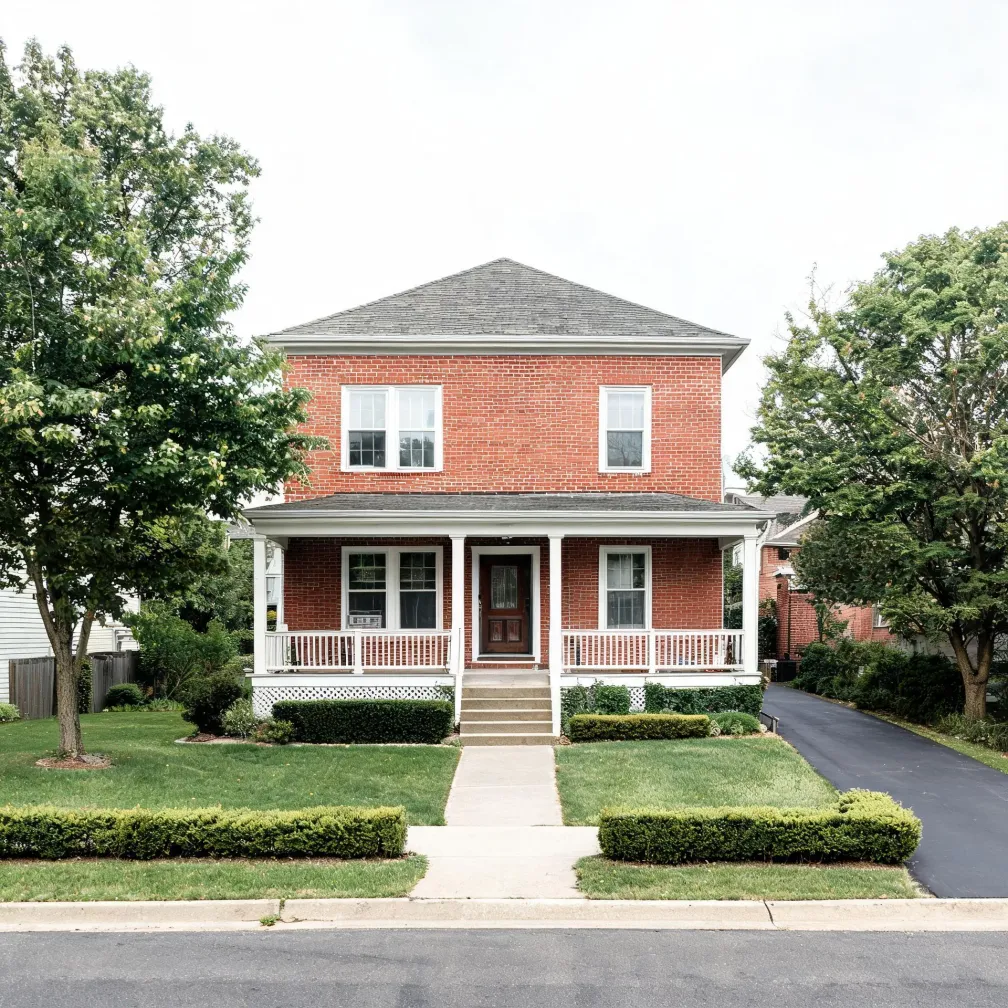
What Rhode Island homes are up against.
NOAA National Centers for Environmental Information, Storm Events Database, bulk CSV export, events 2015-01-01 through 2024-12-31. · U.S. Census Bureau, 2020-2024 American Community Survey 5-Year Estimates

A water heater in Rhode Island works through a heating season that most homeowners never think about until recovery time slows or a morning shower runs cold. Homes in Rhode Island run heat about eight months a year, from October through May. That stretch is long enough that a burner and its ignition system cycle repeatedly before a single idle month arrives to reveal a developing fault. A contractor quoting a replacement here reads signs of fatigue that a shorter season would leave less visible, and what looks like an aging unit sometimes turns out to be one that was installed slightly undersized and simply ran out of margin. Local water quality and the specific demands of a household shape how quickly that margin disappears.

A quote for water heater work starts with what is already in the house. Venting runs, pipe materials, and the electrical service feeding the unit all carry their own condition, and none of it can be assumed from the outside. Half the homes in Rhode Island were built in 1962 or earlier (2020-2024 ACS 5-year). A contractor working across the state meets that spread routinely, which means the existing system gets assessed on its own terms before any new equipment is specified. Sediment buildup, corroded connections, or an undersized circuit can each change what gets installed and how.
How does your Rhode Island county compare for severe weather?
2015–2024 · Source: NOAA National Centers for Environmental Information, Storm Events Database.
A heavier storm record means a water heater and its connections are asked to handle more, from flooding to power loss to the strain either one leaves behind. Have a contractor check where the unit sits, whether it is raised above likely water lines, and how the gas or electrical connections are secured.