Tell us about the job
Takes about a minute. No obligation.
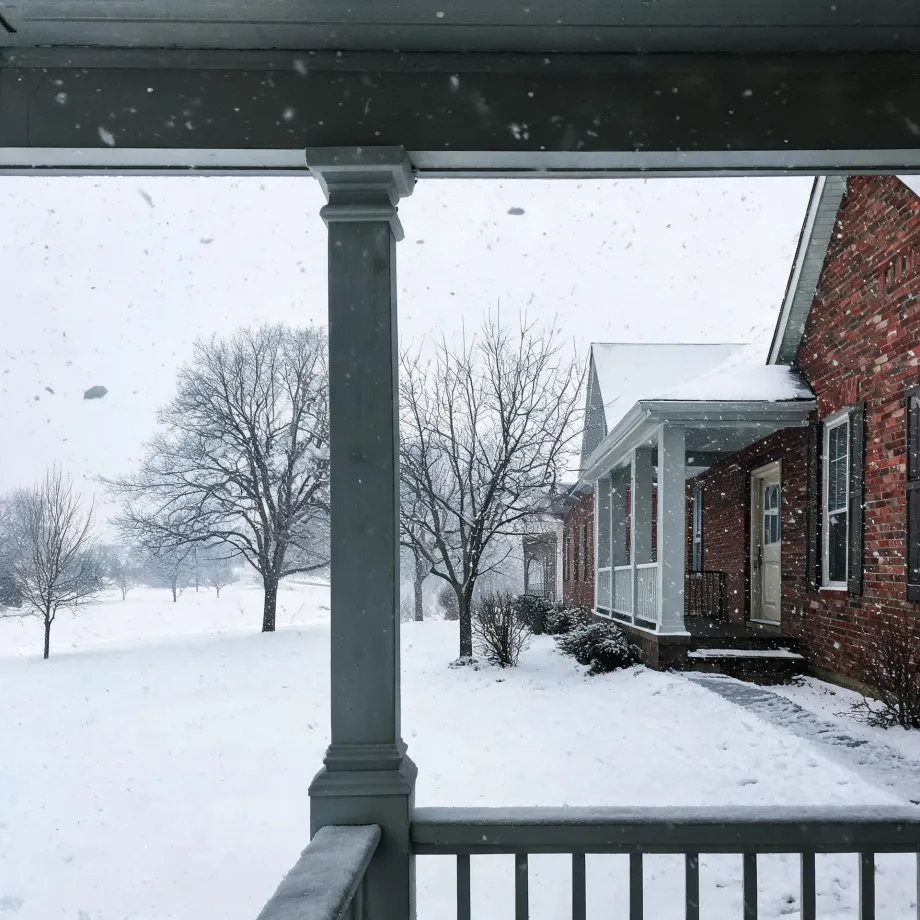
A contractor quoting a water heater repair here has to establish what the unit is burning before the diagnostic even starts. Fuel oil or kerosene heats more occupied homes in Washington County, Rhode Island than any other fuel, at 40.5% (2020-2024 ACS 5-year). Oil and kerosene systems run a burner assembly, a flue, and a combustion air supply that electric and gas units never touch. When one of those components fails, the repair scope is different and so is the parts list. A technician who skips that step and quotes from symptoms alone will miss where the fault actually sits.
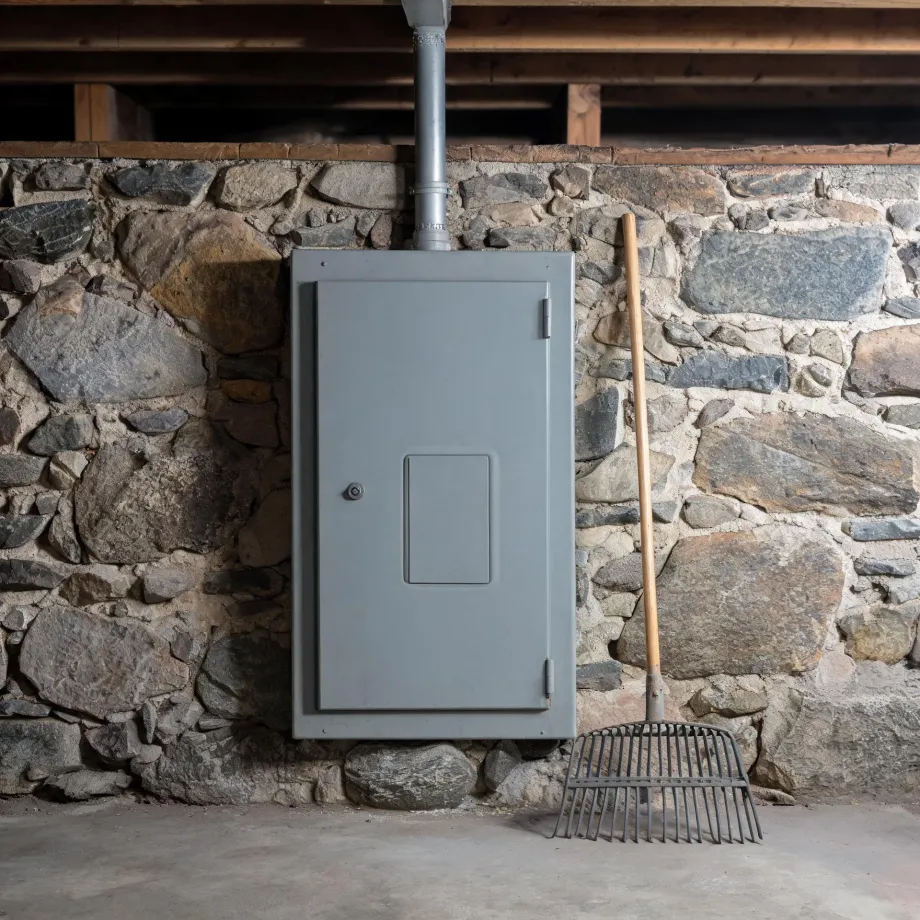
Half the homes in Washington County, Rhode Island were built in 1977 or earlier (2020-2024 ACS 5-year). A house that old was built around equipment that no longer exists in its original form, and the water heater running in it today is almost certainly not the one it started with. When a contractor opens a failing unit in stock like this, the question that shapes the job is whether replacement parts are still made for that specific model. If they are not, a repair that looked like a straightforward fix becomes a sourcing problem, and the scope changes. The plumbing connections and the electrical supply may also have been adapted more than once across decades of ownership, leaving a contractor to work out what is actually there before pricing anything.
The Parts of a Water Heater a Contractor Checks During a Repair
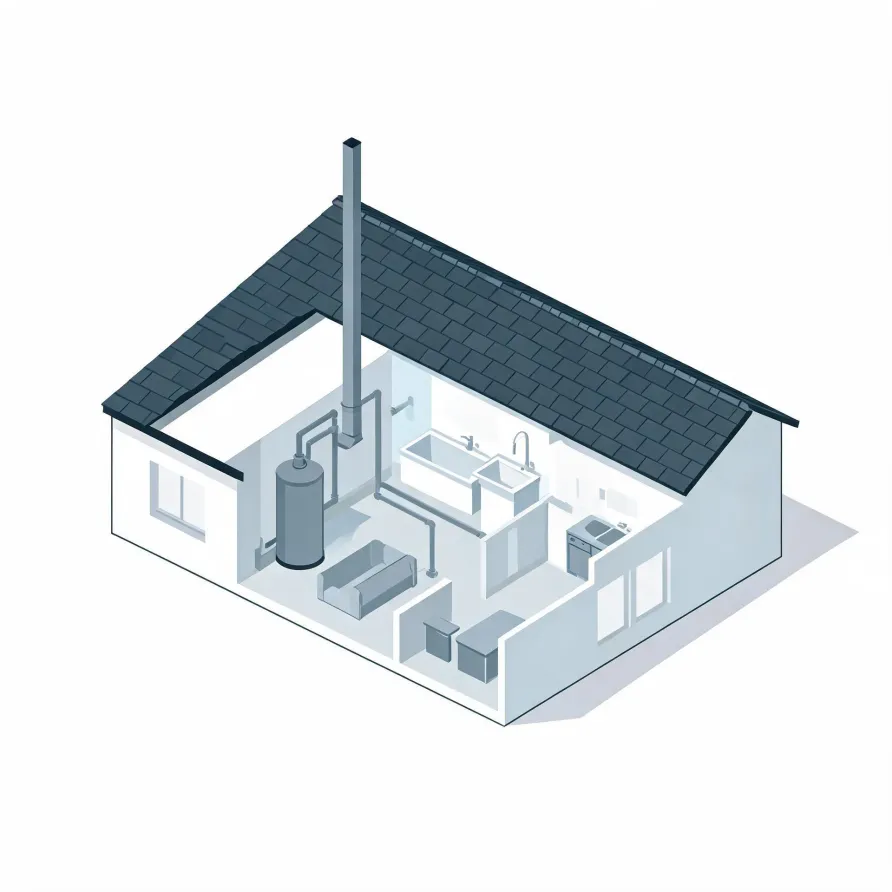
The tank is the piece a homeowner notices first, a large insulated cylinder that sits in a utility room, basement, or garage and holds the supply of hot water. Attached to it is the burner assembly or heating element, depending on whether the unit runs on gas or electricity, and this is where a contractor starts when the water stops getting hot.
The thermostat sits against the tank and tells the heating source when to fire and when to stop. The pressure relief valve mounts to the side and opens if internal pressure climbs too high. A pair of supply and discharge connections at the top of the tank are where cold water enters and hot water leaves, and corrosion or loose fittings at those points are a common source of leaks.
The drawing shows the general layout of these components, and a licensed contractor determines which of them applies to the specific unit and installation in your home.
Get matched in Washington CountyWashington County by the Numbers
166 severe weather events were recorded in Washington County, Rhode Island between 2015 and 2024.
NOAA National Centers for Environmental Information, Storm Events Database, bulk CSV export, events 2015-01-01 through 2024-12-31.Half the homes in Washington County, Rhode Island were built in 1977 or earlier (2020-2024 ACS 5-year).
U.S. Census Bureau, 2020-2024 American Community Survey 5-Year EstimatesWashington County, Rhode Island holds 66,385 housing units (2020-2024 ACS 5-year).
U.S. Census Bureau, 2020-2024 American Community Survey 5-Year EstimatesOwners occupy 77.5% of the occupied homes in Washington County, Rhode Island (2020-2024 ACS 5-year).
U.S. Census Bureau, 2020-2024 American Community Survey 5-Year EstimatesCodes & Standards Covering Water Heater Repair in Washington County, Rhode Island2 sourced rules and standards
Licensing Rules for HVAC Repair in Washington County, Rhode Island
A Rhode Island master licensee needs no separate sheet metal licence while the air handling equipment is ten (10) tons or less, or the heating equipment does not exceed 250,000 BTUs; above either figure the sheet metal work must be subcontracted to a licensed sheet metal contractor.
Rhode Island requires a licence from the Department of Labor and Training to work in the mechanical trades: nobody may hold themselves out as a master, or advertise that they will install refrigeration and air conditioning or air distribution systems, without one.
Severe Weather Events in Washington County
Storms, temperature swings, and power disruptions put real strain on water heaters. Repair demand in Washington County tracks closely with what the weather asks of the equipment.
166 severe weather events, 2015–2024. Source: NOAA National Centers for Environmental Information, Storm Events Database.