
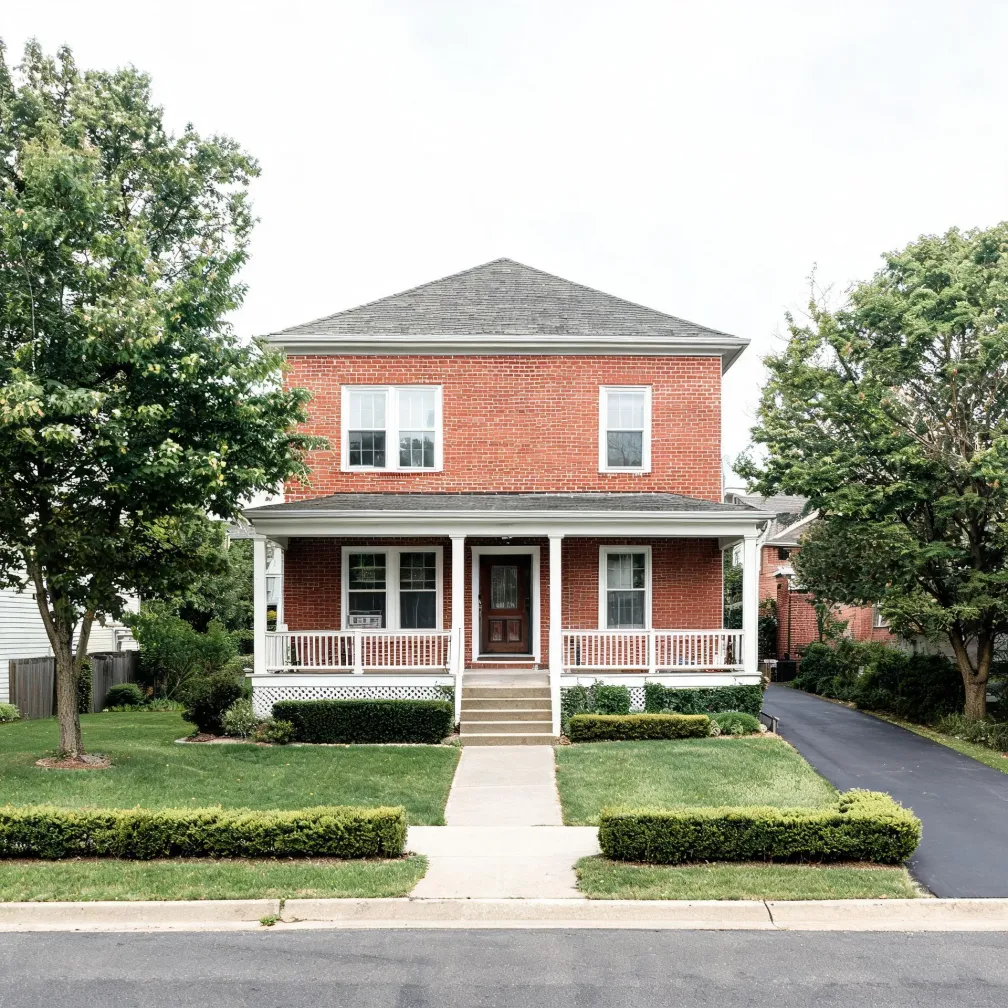
What Rhode Island homes are up against.
NOAA National Centers for Environmental Information, Storm Events Database, bulk CSV export, events 2015-01-01 through 2024-12-31. · U.S. Census Bureau, 2020-2024 American Community Survey 5-Year Estimates

A water heater in Rhode Island works through a heating season that most homeowners never think about until recovery time slows or a morning shower runs cold. Homes in Rhode Island run heat about eight months a year, from October through May. That stretch is long enough that a burner and its ignition system cycle repeatedly before a single idle month arrives to reveal a developing fault. A contractor quoting a replacement here reads signs of fatigue that a shorter season would leave less visible, and what looks like an aging unit sometimes turns out to be one that was installed slightly undersized and simply ran out of margin. Local water quality and the specific demands of a household shape how quickly that margin disappears.

A quote for water heater work starts with what is already in the house. Venting runs, pipe materials, and the electrical service feeding the unit all carry their own condition, and none of it can be assumed from the outside. Half the homes in Rhode Island were built in 1962 or earlier (2020-2024 ACS 5-year). A contractor working across the state meets that spread routinely, which means the existing system gets assessed on its own terms before any new equipment is specified. Sediment buildup, corroded connections, or an undersized circuit can each change what gets installed and how.
Does your county put extra stress on your HVAC equipment?
2015–2024 · Source: NOAA National Centers for Environmental Information, Storm Events Database.
Outdoor equipment in Rhode Island contends with the full range of what the region delivers: summer heat that pushes a condenser hard, winter cold that tests a heat pump's low-temperature limits, and storm-driven moisture and debris that work on cabinet seams and electrical connections over years. Where a county sits in this ranking is a signal about sizing margins and placement decisions, not just maintenance frequency. A licensed contractor matched to your area knows how to spec equipment that holds up to what your property actually faces.
Rhode Island HVAC Installation and Repair License Requirements
Rhode Island sets its own licensing rules for HVAC installation and repair work, and the provisions below come directly from state sources rather than from any summary of them.
A Rhode Island master licensee needs no separate sheet metal licence while the air handling equipment is ten (10) tons or less, or the heating equipment does not exceed 250,000 BTUs; above either figure the sheet metal work must be subcontracted to a licensed sheet metal contractor.
A state license for this trade determines who is legally permitted to do the work on your home. Hiring outside that requirement puts the project and your property in an exposed position. The contractors this site routes requests to hold the license these provisions describe, and that is the filter every request passes through before it goes anywhere.
View the sourced Rhode Island HVAC licensing provisions2 provisions
A Rhode Island master licensee needs no separate sheet metal licence while the air handling equipment is ten (10) tons or less, or the heating equipment does not exceed 250,000 BTUs; above either figure the sheet metal work must be subcontracted to a licensed sheet metal contractor.
Rhode Island requires a licence from the Department of Labor and Training to work in the mechanical trades: nobody may hold themselves out as a master, or advertise that they will install refrigeration and air conditioning or air distribution systems, without one.